
GLP-1 Side Effects: What's Normal, What's Not, and How to Manage Them
Nausea, sulfur burps, constipation, fatigue. Here is what is actually happening in your body on Ozempic, Wegovy, Mounjaro or Zepbound — which side effects fade on their own, which ones you can do something about, and which ones mean you call your prescriber today.
In this article
- The GLP-1 medications
- Why side effects happen
- Full side effect list
- Nausea and vomiting
- Sulfur burps and bloating
- Constipation
- Diarrhea
- Fatigue and dehydration
- Appetite loss and muscle
- Hair loss and facial changes
- Injection-site reactions
- Blood sugar and heart rate
- Rare but serious risks
- How long they last
- What actually reduces them
- What to use day to day
- Stopping the medication
Key takeaways
- Most GLP-1 side effects are gastrointestinal — nausea, vomiting, diarrhea, constipation, bloating and burping — and they cluster in the first few weeks and again after every dose increase.
- Almost all of them trace back to one intended effect: GLP-1 medications deliberately slow how fast your stomach empties.
- For most people the common side effects ease as the body adjusts. Slower dose escalation, smaller meals, steady fluids and the right kind of fiber make a measurable difference.
- Serious side effects — pancreatitis, gallbladder disease, bowel obstruction, acute kidney injury — are rare, but they have specific warning signs worth memorising.
- Side effects are one of the most common reasons people stop treatment. Managing them well is what keeps the medication working.
Which medications are GLP-1s?
GLP-1 stands for glucagon-like peptide-1, a hormone your gut releases after you eat. GLP-1 medications are synthetic versions that mimic that hormone — and in the case of tirzepatide, a second gut hormone called GIP as well. They are prescribed either for type 2 diabetes, for chronic weight management, or both, and the side effect profile is broadly similar across the class.
| Brand name | Active ingredient | Form | Approved for |
|---|---|---|---|
| Ozempic | Semaglutide | Weekly injection | Type 2 diabetes |
| Wegovy | Semaglutide | Weekly injection (an oral form is also available) | Chronic weight management |
| Rybelsus | Semaglutide | Daily tablet | Type 2 diabetes |
| Mounjaro | Tirzepatide (GLP-1 + GIP) | Weekly injection | Type 2 diabetes |
| Zepbound | Tirzepatide (GLP-1 + GIP) | Weekly injection | Chronic weight management; obstructive sleep apnea in adults with obesity |
| Trulicity | Dulaglutide | Weekly injection | Type 2 diabetes |
| Victoza | Liraglutide | Daily injection | Type 2 diabetes |
| Saxenda | Liraglutide | Daily injection | Chronic weight management |
Compounded semaglutide and tirzepatide sold through telehealth clinics are not FDA-approved products and are not covered by these prescribing labels. If you are using a compounded version, the side effects below still apply, but dosing accuracy and product quality vary — which is worth raising with whoever prescribed it.
Why GLP-1s cause side effects in the first place
This is the part most people never get explained to them, and it changes how the whole experience feels. GLP-1 side effects are not random. They are almost all downstream of three things the medication is supposed to do.
- It slows gastric emptying. Food leaves your stomach far more slowly than it used to. That is the mechanism that keeps you full — and it is also the mechanism behind nausea, bloating, early fullness, reflux and burping.
- It acts on the appetite centres in your brain. Hunger signalling is turned down. Helpful for eating less. Less helpful when it also mutes your thirst signal and your interest in food you actually need, like protein.
- It changes insulin and glucagon release. Insulin release becomes more responsive to glucose and glucagon output drops. On its own this rarely causes low blood sugar, but combined with insulin or a sulfonylurea it can.
Follow that first mechanism through and a lot of the confusing symptoms line up. Food that sits in the stomach and upper gut longer has more time to ferment, and fermentation produces gas — including the hydrogen sulfide behind the notorious rotten-egg burps. Blunted thirst plus vomiting or loose stools quietly drains fluid and electrolytes, which shows up as fatigue, headache and dizziness rather than as thirst. And eating a third of your previous food volume means a third of the fiber, potassium, magnesium and B vitamins, which shows up as constipation and flat energy.
One cause, several symptoms. Understanding that the slowed stomach is the engine behind most of it is usually the difference between managing side effects and quitting over them.
The full list of GLP-1 side effects
In the pivotal trials for semaglutide 2.4 mg (Wegovy), the most frequently reported side effects were gastrointestinal by a wide margin.
Those figures come from the semaglutide 2.4 mg prescribing information. Rates differ meaningfully between medications and between doses — tirzepatide, dulaglutide and liraglutide all have their own numbers — and trial rates include people who kept taking the medication anyway. Use the table below as a map, not a prediction.
| Side effect | How common | Why it happens | First things to try |
|---|---|---|---|
| Nausea | Very common | Slowed stomach emptying plus appetite signalling | Smaller meals, stop at the first sign of fullness, bland food, ginger |
| Vomiting | Common | Same mechanism, usually triggered by eating past fullness or by fatty meals | Sip fluids steadily, shrink portions, tell your prescriber if it keeps happening |
| Diarrhea | Common | Altered gut motility and bile handling | Fluids, bland foods, cut back sugar alcohols, caffeine and alcohol |
| Constipation | Common | Less food volume, less fluid, slower transit | Fluids first, then gentle fiber, daily movement |
| Burping and sulfur burps | Common | Food sitting longer ferments; gut bacteria release sulfur gas | Smaller, lower-fat meals; reduce the foods that feed fermentation |
| Bloating and indigestion | Common | Delayed gastric emptying and distension | Eat slowly, stay upright 30 minutes after eating, simethicone for gas |
| Stomach pain | Common | Distension and slowed transit | Mild and passing is expected; severe or persistent pain needs same-day review |
| Heartburn and reflux | Common | Stomach contents sitting longer under pressure | Smaller meals, nothing heavy before bed, stay upright after eating |
| Fatigue | Common | Fewer calories, dehydration, lower electrolytes and B vitamins | Hydration with electrolytes, protein at every meal, ask about bloods |
| Headache and dizziness | Common | Most often dehydration or a blood sugar dip | Fluids, do not skip meals, stand up slowly |
| Injection-site reactions | Common | Local irritation from the injection | Rotate sites, fresh needle each time, cold compress after |
| Hair thinning | Less common | Rapid weight loss and low protein, iron or zinc (telogen effluvium) | Usually temporary; prioritise protein, ask for a nutrient panel |
| Increased heart rate | Less common | A recognised class effect, usually a few beats per minute | Monitor resting heart rate; report palpitations or chest discomfort |
| Low blood sugar | Uncommon alone, common alongside insulin or sulfonylureas | Enhanced insulin response | Carry fast-acting sugar; ask about adjusting your other diabetes medications |
| Gallstones and gallbladder inflammation | Rare | Rapid weight loss and changes in gallbladder motility | Emergency care for severe upper-right abdominal pain, fever or jaundice |
| Pancreatitis | Rare | Not fully established | Emergency care for severe pain radiating to the back with vomiting |
| Acute kidney injury | Rare | Almost always dehydration from severe vomiting or diarrhea | Prevent by staying hydrated; reduced urine output needs urgent review |
| Gastroparesis, ileus and bowel obstruction | Rare | Extreme slowing of gut motility | Urgent care if you cannot pass gas or stool, or vomiting will not stop |
| Worsening diabetic retinopathy | Rare | Linked to rapid improvement in blood glucose | Baseline and follow-up eye checks if you have diabetic eye disease |
| Thyroid C-cell tumours | Not confirmed in humans; carries a boxed warning | Seen in rodent studies | Avoid if you or a family member has medullary thyroid cancer or MEN2 |
Nausea and vomiting
Nausea is the single most reported GLP-1 side effect and the most common reason people abandon treatment. It is usually worst in the first 48 to 72 hours after a weekly injection, worst overall in the first month, and it resets for a week or two after each dose increase. For most people it fades substantially by the second or third month.
- Stop eating at the first hint of fullness. Not when the plate is done. The fullness signal now arrives earlier and hits harder, and eating past it is the most common trigger for vomiting.
- Shrink the meal, not the day. Four or five small meals sit far better than three normal ones. Skipping meals entirely tends to make nausea worse, not better.
- Drop the fat content, temporarily. Fatty, fried and creamy food is slow to leave the stomach at the best of times. On a GLP-1 it can sit for hours.
- Ginger and vitamin B6. Both are established options for nausea in pregnancy — vitamin B6 is a first-line recommendation there, and ginger has modest trial support. Neither has been tested specifically against GLP-1 nausea, but both are low-risk for most people. Check with a pharmacist if you take other medications.
- Stay upright for 30 minutes after eating. Lying down with a slow-emptying stomach invites both nausea and reflux.
- Time your dose deliberately. Many people inject on a Friday or Saturday so the peak nausea days land when they are not at work. Keep the same day each week.
Sulfur burps, bloating and indigestion
The rotten-egg burps are the side effect nobody warns you about and the one people are most embarrassed to raise. The mechanism is straightforward: food that would normally clear the stomach in an hour or two is now sitting there far longer, giving bacteria time to break down sulfur-containing compounds and release hydrogen sulfide gas. It is unpleasant, but on its own it is not dangerous.
- Cut the load, not just the food. Large meals and high-fat meals stay in the stomach longest. Smaller and leaner clears faster and ferments less.
- Know which foods feed it. Sulfur-rich foods — eggs, red meat, garlic, onion, broccoli, cauliflower — plus sugar alcohols and carbonated drinks are the usual suspects. You do not need to eliminate them permanently, just during the worst weeks.
- Be careful which fiber you add. Highly fermentable prebiotic fibers such as inulin and chicory root are excellent for gut health and terrible for this specific problem, because fermentation is exactly what produces the gas. Gentler, low-fermentation options are usually better tolerated while symptoms are active.
- Eat slowly and stop swallowing air. Straws, gum, fizzy drinks and eating fast all add swallowed air on top of the fermentation gas.
- Simethicone for the trapped-gas feeling. Over-the-counter anti-gas products will not stop the fermentation but can make the bloating more comfortable. Ask a pharmacist first if you take other medication.
Sulfur burps combined with severe abdominal pain, an inability to pass gas or stool, or vomiting that will not stop is a different situation entirely — see the urgent care section below.
Constipation
Constipation is the slow-burn side effect. It rarely shows up in week one, and it is usually a volume problem rather than a motility problem: you are eating a fraction of what you used to, drinking less because you are not thirsty, and getting far less fiber as a result.
- Fix fluid before you fix fiber. Adding fiber to a dehydrated gut makes constipation worse, not better. Get fluids consistent first.
- Add fiber gradually. A sudden jump in fiber on a slow-emptying stomach reliably produces bloating and gas. Increase slowly over a couple of weeks.
- Move daily. Even a 15 to 20 minute walk after meals measurably helps gut transit.
- Ask about the right laxative, not the strongest one. An osmotic laxative is generally preferred over stimulant laxatives for ongoing use. A pharmacist can match it to your other medications.
- Watch for the flip. Constipation that suddenly becomes severe pain, distension and an inability to pass gas is not ordinary constipation. Seek care.
Diarrhea
Diarrhea is less universal than nausea but common enough to plan for, and it can alternate with constipation in the same person during the same month. The main risk it carries is dehydration, which is also the main pathway to the rare cases of acute kidney injury reported with this class of medication.
- Replace fluid and salt, not just water. Repeated loose stools lose sodium, potassium and magnesium. Plain water alone does not replace them.
- Go bland for a few days. Low-fat, low-fiber, easily digested foods while symptoms are active — then rebuild.
- Check what else you are taking. Metformin, magnesium supplements, sugar alcohols and high-dose vitamin C all contribute. Sometimes the GLP-1 is not the main culprit.
- Escalate if it will not settle. Diarrhea lasting more than a couple of days, or accompanied by fever, blood or severe pain, needs medical review rather than self-management.
Fatigue, dizziness and dehydration
Fatigue is one of the most commonly reported and least discussed GLP-1 side effects, and it usually has three overlapping causes: a genuine calorie deficit, low-grade dehydration you cannot feel because your thirst signalling is muted, and falling intakes of electrolytes and B vitamins. It typically shows up as an afternoon energy cliff rather than as tiredness on waking.
- Drink on a schedule, not on thirst. Thirst is one of the signals the medication turns down. A bottle you refill at set times works better than waiting to feel like it.
- Add electrolytes, skip the sugar. Sports drinks are formulated for athletes losing salt through sweat, not for someone eating a third less food. Sodium, potassium and magnesium matter more than the sugar content.
- Protect protein intake. Protein is the first thing that drops when appetite disappears and the first thing to cause fatigue and muscle loss when it does. Aim to build every small meal around it.
- Ask for bloods if it persists. B12, iron, thyroid function and HbA1c are all worth checking if fatigue is not improving after the first couple of months.
- Rule out low blood sugar. If the fatigue comes with shakiness, sweating or confusion, check your glucose — especially if you also take insulin or a sulfonylurea.
Appetite loss, under-eating and muscle loss
Reduced appetite is the point of the medication, not a malfunction. It becomes a problem when intake drops so far that nutrition suffers. A meaningful share of weight lost on any rapid weight-loss approach is lean mass, and lean mass is what keeps your metabolic rate up and makes the result durable.
- Do not skip meals to chase faster loss. It increases fatigue, hair shedding and muscle loss, and it makes nausea worse rather than better.
- Eat protein first. When you only have room for a small volume, the order matters. Protein before carbohydrate before everything else.
- Add resistance training. Two or three sessions a week is the most reliable thing you can do to protect lean mass during weight loss.
- Get a plan, not a guess. A dietitian who has worked with GLP-1 patients is worth one appointment. Requirements are genuinely different when total intake is this low.
Hair thinning and facial changes
Hair shedding on a GLP-1 is usually telogen effluvium — a temporary shift of hair follicles into the resting phase, triggered by rapid weight loss rather than by the drug acting on hair directly. Low intakes of protein, iron and zinc may contribute. Shedding typically begins about two to three months after the weight loss accelerates and resolves over the following three to six months, once weight and nutrition stabilise. So-called 'Ozempic face' is the same story: loss of subcutaneous facial fat from significant weight loss, not a specific drug effect.
- Protein, iron, zinc and vitamin D. The nutrients most consistently implicated. Worth testing rather than guessing.
- Slow the pace. If shedding is significant, ask your prescriber about holding a dose longer before the next increase.
- Be gentle in the meantime. Pause chemical treatments and heat styling, avoid tight styles, and give it time — regrowth usually follows stabilisation.
- For facial volume. Gradual weight loss, strength training and, if it matters to you, a conversation with a dermatologist about non-invasive options.
Injection-site reactions
Redness, itching, swelling or a small lump at the injection site is common, usually mild, and usually settles within a few days. It is not the same thing as an allergic reaction.
- Rotate properly. Abdomen, thigh and upper arm are all valid. Move site every dose and avoid re-using the same square inch.
- New needle every time. Re-using needles blunts them and increases irritation and infection risk.
- Let the alcohol dry. Injecting through wet alcohol stings and irritates. Do not blow on it to speed it up.
- Cold compress after. Reduces swelling and discomfort at the site.
Swelling of the face, lips or tongue, hives, or difficulty breathing after a dose is a possible severe allergic reaction. That is an emergency — call emergency services.
Low blood sugar and heart rate changes
Low blood sugar. GLP-1 medications rarely cause hypoglycemia on their own, because they increase insulin release in a glucose-dependent way. The risk rises sharply when they are combined with insulin or a sulfonylurea, which is why prescribers often reduce those doses when starting a GLP-1. Symptoms to know: shakiness, sweating, dizziness, confusion, sudden hunger. Keep fast-acting glucose within reach; 70 mg/dL (3.9 mmol/L) is the standard alert threshold, and anything below 54 mg/dL (3.0 mmol/L) is considered clinically significant hypoglycemia.
Increased heart rate. A small rise in resting heart rate — typically a few beats per minute — is a recognised class effect and is not usually harmful. Several GLP-1s have demonstrated cardiovascular benefits in outcome trials. Still, if you have an existing heart condition, it is reasonable to track your resting heart rate and to report palpitations, chest discomfort or breathlessness rather than assume they are part of the adjustment.
Rare but serious side effects
These are uncommon. They are worth reading once, properly, so you recognise them if they happen — not worth re-reading anxiously every week.
Gallstones and gallbladder inflammation
GLP-1 use has been associated with an increased risk of gallbladder and biliary disease, likely driven by both rapid weight loss and changes in gallbladder motility. A meta-analysis of 76 randomised trials put the relative risk at around 1.4, which works out to roughly 27 extra cases per 10,000 person-years — higher at weight-loss doses and with longer duration, but still uncommon in absolute terms. The warning signs are persistent pain in the upper right abdomen, often after eating, with nausea, fever or yellowing of the skin or eyes.
Pancreatitis
Pancreatitis has been reported with GLP-1 medications, though a direct causal relationship is still not established. What matters practically is recognising it: severe, persistent abdominal pain that often radiates through to the back, usually with vomiting, and which does not ease with position. That combination warrants emergency assessment, not a wait-and-see. Tell your prescriber if you have had pancreatitis before.
Acute kidney injury
GLP-1 medications generally appear protective for the kidneys over the long term. The rare cases of acute kidney injury reported have mostly occurred in people who became severely dehydrated through prolonged vomiting or diarrhea. That makes it one of the more preventable serious risks: treat severe, ongoing GI symptoms as something to escalate rather than endure, and be cautious with NSAIDs such as ibuprofen while dehydrated.
Gastroparesis, ileus and bowel obstruction
Delayed gastric emptying is the intended mechanism; in rare cases it becomes extreme enough to be classified as gastroparesis, intestinal paralysis (ileus) or bowel obstruction. Signs that separate this from ordinary GLP-1 nausea: vomiting food eaten many hours or a day earlier, a visibly distended abdomen, severe pain, and an inability to pass gas or stool.
Thyroid C-cell tumours (boxed warning)
Every GLP-1 medication currently marketed in the US — semaglutide, tirzepatide, liraglutide and dulaglutide — carries a boxed warning, the FDA's strongest, for thyroid C-cell tumours, based on findings in rodents. The risk has not been confirmed in humans. The practical implication is a contraindication: the medications carrying this warning should not be used by anyone with a personal or family history of medullary thyroid carcinoma or multiple endocrine neoplasia type 2. Report any new neck lump, swelling, persistent hoarseness or difficulty swallowing.
Diabetic eye disease
In people who already have diabetic retinopathy, rapid improvement in blood glucose can temporarily worsen it. This is a known phenomenon with any rapid glycaemic improvement, not unique to GLP-1s. If you have diabetic eye disease, get a baseline eye exam and follow-up screening.
Anesthesia and sedation
Because food can remain in the stomach far longer than normal, there is an increased risk of pulmonary aspiration under general anesthesia or deep sedation. Tell your surgeon, anesthetist, dentist and endoscopy team that you are on a GLP-1, well before the procedure. Note that current multi-society guidance has moved away from routinely stopping the medication: for most patients without additional aspiration risk factors, continuing is now preferred, often combined with a 24-hour clear-liquid diet beforehand. Holding a dose is reserved for higher-risk cases and is a decision for your care team, not something to do unilaterally.
Most GLP-1 side effects are uncomfortable rather than dangerous. These are the exceptions — contact a healthcare provider urgently or go to an emergency department if you have:
- Severe, persistent abdominal pain, particularly if it radiates to your back
- Severe pain or tenderness in the upper right abdomen, with fever, nausea or yellowing of the skin or eyes
- Vomiting that will not stop, or vomiting food you ate many hours earlier
- An inability to pass gas or stool, with a swollen, painful abdomen
- Severe diarrhea or vomiting with markedly reduced urination, or dizziness on standing
- Swelling of the face, lips or tongue, hives, or difficulty breathing or swallowing
- A new lump or swelling in your neck, or persistent hoarseness
- Symptoms of severe low blood sugar — confusion, loss of coordination, seizure or loss of consciousness (someone should call emergency services)
- Sudden changes in vision
How long do GLP-1 side effects last?
There is no single answer, but there is a recognisable shape to it. Symptoms are dose-dependent and adjustment-dependent: they spike when you start, spike again at each titration step, and settle in between as your gut adapts.
| Stage | What usually happens | How to handle it |
|---|---|---|
| First 48–72 hours after a weekly dose | Peak appetite suppression and peak nausea | Plan lighter, lower-fat meals for those days; keep the same injection day each week |
| Weeks 1–4 | Typically the roughest stretch. GI symptoms most intense | Do not step up the dose while you are still struggling at the current one |
| Every dose increase | Symptoms often reset for one to two weeks | Ask about staying longer at a tolerated dose before escalating |
| Months 2–3 | Most people report GI symptoms easing substantially | Use the calmer window to rebuild protein, fiber and hydration habits |
| Month 6 and beyond | Ongoing severe nausea or vomiting is not the expected pattern | Persistent symptoms this far in should be investigated, not tolerated |
Nine things that genuinely reduce GLP-1 side effects
- Titrate slower than the label allows. The dosing schedule is a maximum pace, not a requirement. Staying at a tolerated dose for an extra few weeks is the single most effective lever for side effects, and prescribers do it routinely.
- Eat small, eat often, stop early. Four or five small meals, and stopping at the first sign of fullness rather than at the end of the plate.
- Protein first, every meal. Protects lean mass, blunts fatigue, and is the nutrient most likely to be crowded out when appetite disappears.
- Drink to a schedule. Your thirst signal is suppressed. Set times, not feelings — and include electrolytes if you are having any vomiting or diarrhea.
- Choose fiber that does not ferment aggressively. Fiber helps regularity, but highly fermentable prebiotic fibers can make gas and sulfur burps considerably worse while your stomach is emptying slowly.
- Cut fat and volume on dose days. Both are what keep food sitting in the stomach longest.
- Stay upright for 30 minutes after eating. Cheap, and it makes a real difference to nausea and reflux.
- Ask about supportive medication. Prescription anti-nausea options, osmotic laxatives and reflux medication are all reasonable conversations to have. Do not layer them on unsupervised.
One more that is easy to miss: keep a short symptom log for the first three months. Which day, which meal, which dose. Almost everyone discovers a pattern within a fortnight, and it gives your prescriber something concrete to adjust rather than a general impression that things are hard.
So what should you actually use?
Strip away the marketing and there are really only three ways people handle the daily side of this. The ingredients matter less than you would think — what separates them is whether you are still doing it in month three. We have ranked them on that basis: coverage of the three underlying problems, and how likely you are to stick with it.
Disclosure: we have a material financial relationship with the maker of our top pick. Full details in the disclaimer at the foot of this page.
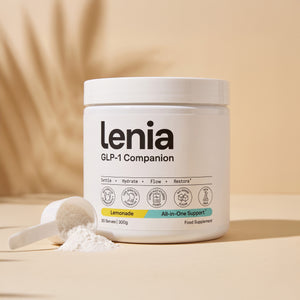
- One thing to remember daily instead of six
- Real ginger plus vitamin B6 for queasiness
- Low-fermentation fiber — supports regularity without feeding the gas
- Electrolytes dosed for reduced food intake, not for sweat loss
- No added sugar to aggravate nausea
- Costs more than doing nothing
- Not a protein source — you still need to eat protein
- A nutritional support product, not a medication
- Full control over every individual dose
- Easy to swap out anything that does not agree with you
- Can be built up gradually from what you already have
- Six purchases and six things to remember every day
- Adherence tends to collapse around week three
- Most prebiotic fiber sold over the counter is highly fermentable, which makes gas and sulfur burps worse
- Easy to double up on magnesium or B6 without noticing
- Cheap and available everywhere
- Better than plain water if you are vomiting or having diarrhea
- Formulated for athletes losing sodium through sweat, not for someone eating far less food
- Often sugar-loaded, which can make nausea worse
- No ginger, no fiber, no B vitamins — covers one of the three problems
To be clear about what none of these do: they do not replace the things that carry most of the weight — slower titration, smaller and lower-fat meals, protein at every meal, and telling your prescriber when something is not settling. What they do is make the daily part easy enough that you keep doing it. For most people, that is the difference between staying on treatment and quitting over side effects.
What happens to side effects when you stop
GI side effects generally resolve within days to a few weeks of stopping, as gastric emptying returns to normal. What also returns is appetite — often noticeably. Weight regain is common after stopping, and blood glucose can rise again in people using a GLP-1 for diabetes. If side effects are making you consider stopping, it is worth raising a dose reduction or a slower titration first; stopping is a decision to make with your prescriber rather than unilaterally.
Frequently asked questions
How long do GLP-1 side effects last?
For most people the common gastrointestinal side effects are worst in the first four weeks and after each dose increase, then ease substantially over the second and third months as the gut adapts. Side effects that are still severe after six months are not the expected pattern and should be investigated rather than endured.
Do side effects mean the medication is working?
Not reliably. Nausea and early fullness come from the same slowed gastric emptying that contributes to reduced intake, so there is some overlap — but plenty of people get excellent results with minimal side effects, and having a rough time is not evidence of a better outcome. Suffering is not the price of the result.
Which GLP-1 has the fewest side effects?
There is no universal answer. Gastrointestinal side effects across this class are strongly dose-dependent and highly individual — the same medication can be easy for one person and intolerable for another. In practice, how quickly the dose is escalated often matters more than which molecule you are on. If one product is not tolerable, switching is a legitimate conversation to have with your prescriber.
Can I take anti-nausea medication with a GLP-1?
Often yes, and prescribers do prescribe short courses of anti-nausea medication during titration. It should be a prescriber or pharmacist decision rather than a self-directed one, partly because delayed gastric emptying changes how some medications are absorbed, and partly because persistent nausea sometimes needs investigating rather than suppressing.
What causes sulfur burps on GLP-1s?
Food stays in the stomach much longer than usual, which gives bacteria time to break down sulfur-containing compounds in food and release hydrogen sulfide gas — the rotten-egg smell. Smaller, lower-fat meals, reducing sulfur-rich foods during the worst weeks, and avoiding highly fermentable prebiotic fibers all tend to reduce it. It is unpleasant but not dangerous on its own.
Should I stop my GLP-1 if the side effects are bad?
Talk to your prescriber before stopping. In many cases the fix is a dose reduction, a longer stay at your current dose, or a change in how and what you eat around dose days — not stopping altogether. The exceptions are the red-flag symptoms listed above, which need urgent assessment regardless.
Can you take GLP-1s while pregnant or breastfeeding?
GLP-1 medications are not recommended in pregnancy, and there is limited safety data for breastfeeding. They are generally stopped in advance of a planned pregnancy. If you are pregnant, trying to conceive or breastfeeding, discuss this with your prescriber before continuing.
Do I need to tell my surgeon or anesthetist I am taking a GLP-1?
Yes — this one matters. Because food can remain in the stomach much longer than normal, there is an increased risk of pulmonary aspiration under general anesthesia or deep sedation. Tell the team well before any procedure, including dental work and endoscopy. Current multi-society guidance no longer recommends routinely stopping the medication for most patients; instead it often involves extended or clear-liquid fasting instructions, with dose holds reserved for people at higher aspiration risk. Let the anesthesia team make that call.
Do GLP-1 side effects come back at a higher dose?
Usually, at least briefly. Most people find that nausea and other GI symptoms return for one to two weeks after each dose increase and then settle again. This is the main argument for escalating slowly and only when the current dose is comfortable.
References
- U.S. Food and Drug Administration. Highlights of prescribing information: Wegovy (semaglutide) injection. https://www.accessdata.fda.gov/drugsatfda_docs/label/2026/218316s002lbl.pdf
- U.S. Food and Drug Administration. Highlights of prescribing information: Ozempic (semaglutide) injection. https://www.accessdata.fda.gov/drugsatfda_docs/label/2025/209637s035,209637s037lbl.pdf
- U.S. Food and Drug Administration. Highlights of prescribing information: Zepbound (tirzepatide) injection. https://www.accessdata.fda.gov/drugsatfda_docs/label/2025/217806s031lbl.pdf
- U.S. Food and Drug Administration. Highlights of prescribing information: Mounjaro (tirzepatide) injection. https://www.accessdata.fda.gov/drugsatfda_docs/label/2025/215866s034lbl.pdf
- U.S. Food and Drug Administration. Highlights of prescribing information: Saxenda (liraglutide) injection. https://www.accessdata.fda.gov/drugsatfda_docs/label/2025/206321s020lbl.pdf
- MedlinePlus. Semaglutide injection. National Library of Medicine. https://medlineplus.gov/druginfo/meds/a618008.html
- MedlinePlus. Tirzepatide injection. National Library of Medicine. https://medlineplus.gov/druginfo/meds/a622044.html
- Collins L, Costello RA. Glucagon-like peptide-1 receptor agonists. StatPearls. https://www.ncbi.nlm.nih.gov/books/NBK551568/
- Sodhi M, et al. (2023). Risk of gastrointestinal adverse events associated with glucagon-like peptide-1 receptor agonists for weight loss. JAMA. https://pmc.ncbi.nlm.nih.gov/articles/PMC10557026/
- He L, et al. (2022). Association of glucagon-like peptide-1 receptor agonist use with risk of gallbladder and biliary diseases. JAMA Internal Medicine. https://pmc.ncbi.nlm.nih.gov/articles/PMC8961394/
- Lorenz M, et al. (2017). Differential effects of glucagon-like peptide-1 receptor agonists on heart rate. Cardiovascular Diabetology. https://pmc.ncbi.nlm.nih.gov/articles/PMC5237337/
- Begum F, et al. (2024). Semaglutide-associated kidney injury. Clinical Kidney Journal. https://academic.oup.com/ckj/article/17/9/sfae250/7733090
- Multisociety clinical practice guidance for the safe use of glucagon-like peptide-1 receptor agonists in the perioperative period (AGA, ASA, ASMBS, ISPCOP, SAGES). https://pmc.ncbi.nlm.nih.gov/articles/PMC11666732/
- Sikirica MV, et al. (2017). Reasons for discontinuation of GLP-1 receptor agonists. Diabetes, Metabolic Syndrome and Obesity. https://pmc.ncbi.nlm.nih.gov/articles/PMC5630073/
- National Institute of Diabetes and Digestive and Kidney Diseases. Prescription medications to treat overweight and obesity. https://www.niddk.nih.gov/health-information/weight-management/prescription-medications-treat-overweight-obesity
Last reviewed and updated 4 August 2026. Frequency figures are drawn from the manufacturers' prescribing information and reflect clinical trial populations, which may differ from your experience.
This article is for general information only. It is not medical advice, and it is not a substitute for the prescribing information supplied with your medication or for the judgement of your own prescriber or pharmacist. Side effect profiles differ between products, doses and individuals. Never start, stop or change the dose of a prescribed medication based on something you read online.
This page contains sponsored links and the site owner has a material financial connection to the provider of the product referred to on this page. Lenia is a nutritional support product intended to support everyday digestive comfort, hydration and daily nutrients. It is not a GLP-1 medication, a GLP-1 booster, or a replacement for prescribed treatment, and it is not intended to diagnose, treat, cure or prevent any disease. Individual experiences vary. These statements have not been evaluated by the Food and Drug Administration.